
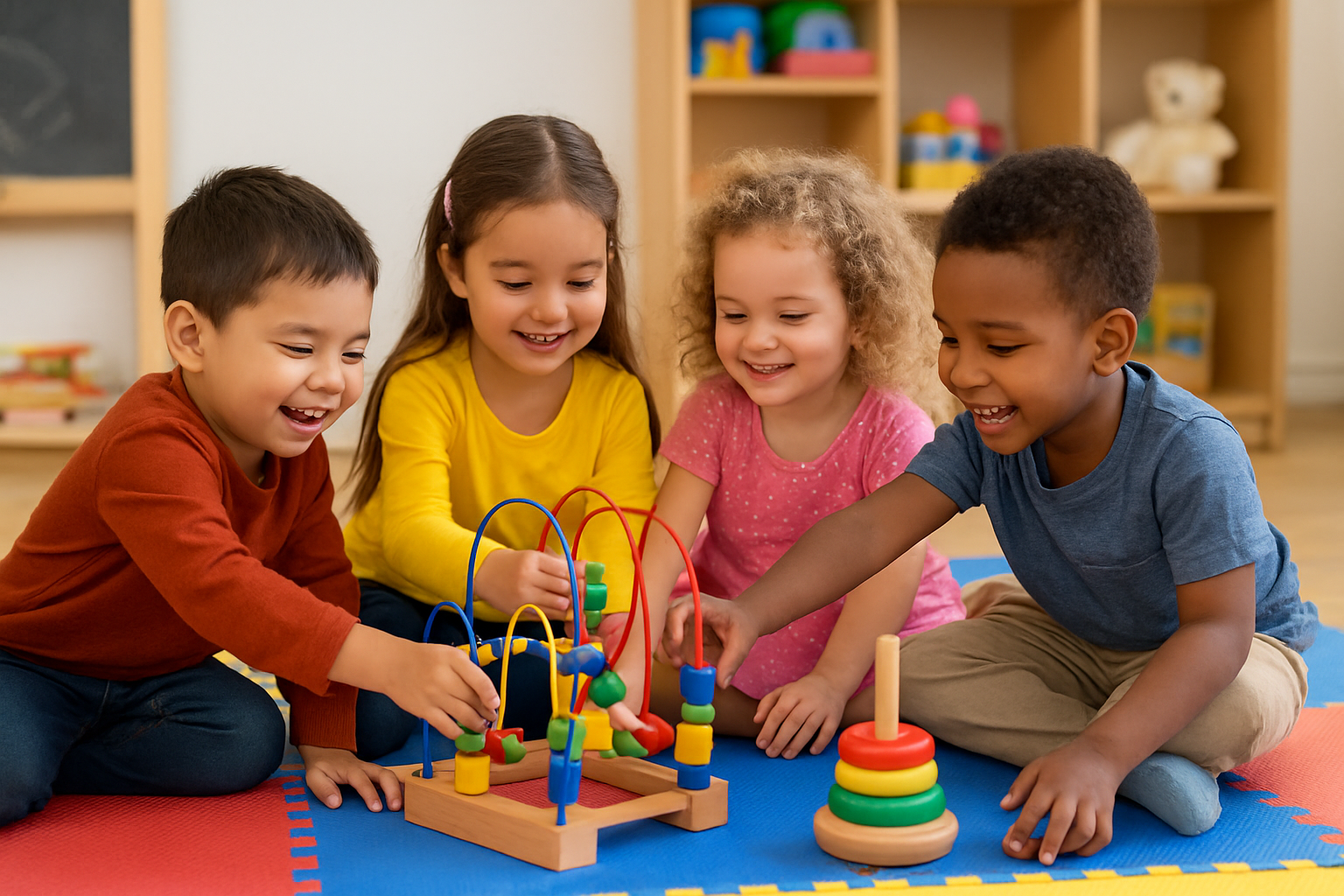
Preschool is more than a place where children spend their early years—it is a foundation for lifelong learning. One of the most effective and natural ways children learn is through play-based learning, a method now embraced by high-quality preschools around the world. Through play, children explore, imagine, experiment, and build the essential cognitive and social skills they need for future success.
1. What Is Play-Based Learning?
Play-based learning is an educational approach where play is the driving force of learning. Instead of traditional, rigid instruction, children are encouraged to learn by engaging in:
• Creative play
• Sensory activities
• Role-play and pretend scenarios
• Problem-solving games
• Social interaction with peers
• This method nurtures natural curiosity and makes learning enjoyable and meaningful.
2. Enhances Cognitive Development
When children participate in hands-on activities, they learn how to think, reason, and make decisions. Play-based learning helps develop:
• Critical thinking
• Memory and concentration
• Early math and literacy skills
• Creativity and imagination
• Cause-and-effect understanding
• Children who are allowed to explore freely grow into confident and capable thinkers.
3. Strengthens Social Skills
In preschool, play encourages children to interact with others, teaching them valuable life skills such as:
• Communication
• Teamwork
• Sharing and taking turns
• Conflict resolution
• Empathy
These skills are essential in helping children build healthy relationships and adapt to new environments.
4. Supports Emotional Development
Play offers children a safe way to express emotions, build self-awareness, and develop resilience. Through various activities, they learn to:
• Manage frustration
• Develop patience
• Gain confidence
• Understand their own feelings
• Celebrate achievements
• A strong emotional foundation helps children thrive both academically and personally.
5. Encourages Physical Development
Active play—both indoors and outdoors—helps children strengthen their bodies and improve motor skills such as:
• Balance
• Coordination
• Fine motor control
• Gross motor movement
• Healthy physical development supports overall growth and brain development.
Conclusion
Play-based learning is a powerful tool that shapes a child’s early development in ways that traditional teaching cannot. By giving children, the freedom to explore, create, and imagine, preschools foster strong foundations for academic success, social confidence, and emotional well-being.